
A tummy tuck, or abdominoplasty, is a popular cosmetic surgery designed to remove excess fat and skin from the abdominal area while tightening the underlying muscles. It’s a life-changing procedure for many, especially those who have lost significant weight or experienced changes due to pregnancy. If you’re considering a tummy tuck, understanding what to expect before and after surgery can help you feel more confident and prepared throughout the journey.
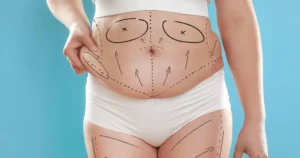
Before Tummy Tuck Surgery: What You Should Know?
1. Initial Consultation
Your journey begins with a thorough consultation with a board-certified plastic surgeon. During this session, you’ll discuss your medical history, expectations, and desired outcomes. The surgeon will evaluate your abdominal area to determine the best surgical approach—full, mini, or extended tummy tuck.
2. Pre-Surgical Instructions
Your surgeon will provide specific guidelines, including:
- Stop smoking several weeks before surgery.
- Avoid medications that thin the blood (e.g., aspirin, ibuprofen).
- Maintain a stable weight—significant weight fluctuations can affect results.
- Arrange for someone to drive you home and assist you for a few days post-op.
3. Mental and Physical Preparation
Be realistic about the recovery process. This is a major surgery and involves downtime. Prepare your home with comfortable clothes, medications, and easy-to-reach essentials to make recovery smoother.
After Tummy Tuck Surgery: What to Expect During Recovery?
1. Immediate Post-Surgery
After surgery, you’ll likely wake up with bandages and a compression garment around your midsection. Surgical drains may be placed to remove excess fluid. Expect grogginess, soreness, and swelling, which are normal.
2. The Recovery Timeline
Recovery varies, but here’s a general overview:
- Week 1–2: Take it easy, follow your surgeon’s care instructions carefully, take prescribed medications, and limit movement. Swelling and bruising are common, especially if you have drains.
- Week 3–4: Most patients can return to light activities as the swelling begins to reduce.
- Week 6 and Beyond: Gradual return to exercise is possible. You’ll begin to see noticeable improvements in abdominal contour.
3. Scarring and Final Results
Scars are inevitable but usually fade over time. Surgeons often place incisions low on the abdomen to make them easy to hide. Final results can take 6 months to a year to fully settle as swelling completely subsides and tissues heal.
Tips for a Smooth Recovery
- Follow instructions: Never skip follow-up appointments or aftercare directions.
- Wear your compression garment: It helps reduce swelling and supports healing.
- Stay hydrated and eat healthy: Nutrition plays a crucial role in healing.
- Avoid strenuous activity until your doctor gives the green light.
Is a Tummy Tuck Right for You?
A tummy tuck is ideal for those who:
- Have loose or sagging abdominal skin.
- Are at a stable, healthy weight.
- Don’t plan future pregnancies.
- Understand the risks and benefits.
It’s not a weight-loss procedure, but it can greatly enhance your shape and confidence when combined with a healthy lifestyle.
Conclusion
A tummy tuck can provide transformative results, both physically and emotionally. By knowing what to expect before and after surgery, you can prepare for a successful procedure and a smooth recovery. Always consult with an experienced plastic surgeon who understands your goals and can guide you safely through the process.